Foam mattresses are renowned for their contouring support, pressure relief, and motion isolation, making them a popular choice for balanced comfort. Understanding the differences between memory foam and polyfoam helps buyers select a model that aligns with sleep position, weight distribution, and temperature needs. Proper selecting criteria include density, ILD ratings, and layering to achieve targeted support zones and durability.
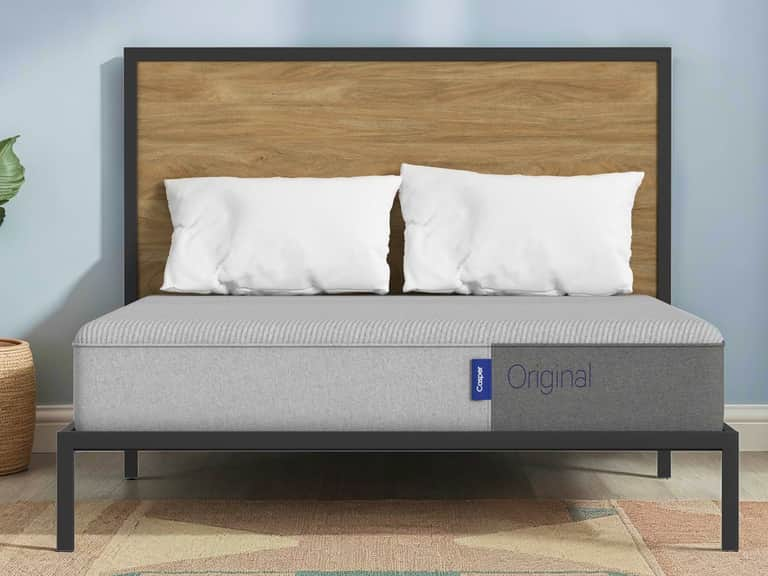
The Original Mattress emphasizes uniform pressure distribution and mild conforming, suitable for sleepers who prefer a supportive yet adaptable surface. Key features often include a medium firmness profile, proprietary foam blends for durability, and a breathable cover to mitigate heat buildup. This model illustrates how foam composition influences spinal alignment and sleep quality.
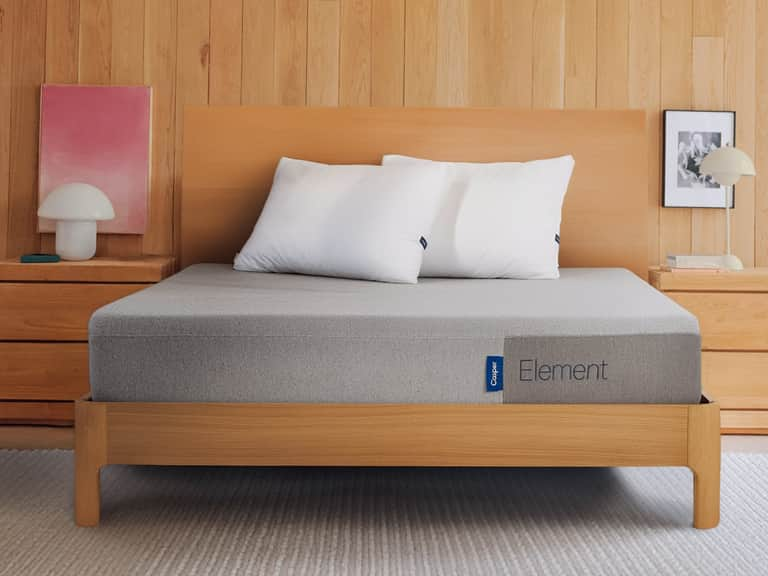
The Element Mattress showcases adaptive contouring with zoned support that targets the lumbar region and hips. Its functional benefits include reduced pressure points, improved spinal alignment, and easier repositioning without excessive sinkage. Material choices, such as open-cell architectures or aerated foams, contribute to breathability and overall comfort lifecycle.
When evaluating foam mattresses, consider essential uses such as back or side sleeping, allergy considerations, and couples’ needs for minimal motion transfer. Foam density, firmness, and layering determine durability and long-term support. Understanding certifications, fire retardants, and hypoallergenic components helps protect health while informing maintenance practices like rotation and cleaning.
Informed selections for bedding accessories—pillows, sheets, duvet covers, and organic mattress options—complement foam mattress performance by supporting temperature regulation and hygiene. Integrating knowledge about foam performance with broader bedding characteristics enables a cohesive sleep environment focused on ergonomics, comfort, and restorative rest.
 Mattresses