Pillow guide
Inside the UltraTech with Tencel Pillow: Materials, Loft, and Sleep Comfort
A pillow can feel plush in your hand and still fail to feel right at bedtime. The difference often comes down to the details beneath the cover: what the fill is made of, how high it holds your head, and whether its surface feels comfortable through the night. A Tencel blend is one option worth understanding when you are comparing pillows for softness, support, and breathability.
Here’s a practical look at how Tencel fibers and supportive fill may shape a pillow’s feel, what to check before choosing one, and how to assess whether its loft suits your sleep position. Product construction can change, so treat the manufacturer’s current description and care label as the final word on specific materials and instructions.
First, what does “Tencel pillow” actually mean?
“Tencel” is a brand name used for certain cellulosic fibers, including lyocell. The fiber is made from plant-based cellulose, commonly sourced from wood. In bedding, it may appear in a pillow cover, a blended surface fill, or a combination of materials. The name alone does not tell you how the whole pillow is constructed: a Tencel pillow might contain a Tencel-rich outer layer with a different supportive core inside.
That distinction matters. The cover is the part that touches your pillowcase and, indirectly, your skin. The fill determines much of the pillow’s height, shape, resistance, and ability to be adjusted. A pillow that combines a silky-feeling fiber blend with latex, for example, may feel quite different from one made entirely of loose fiber fill.
When you see “Tencel blend,” look for the full materials list. It should say which materials are used and where: cover, fill, or both. If the product listing is brief, check the manufacturer’s current specifications or contact the seller before ordering. A name such as “UltraTech with Tencel” is not, by itself, enough to establish exact fiber percentages, construction, certifications, or care needs.
How the materials can influence comfort
Material descriptions can offer useful clues, but no fiber guarantees that a pillow will feel cool, supportive, or comfortable for every sleeper. Your experience depends on the entire construction, room temperature, pillowcase, body temperature, and personal preferences. The most helpful approach is to understand what each component may contribute, then consider how those features match your needs.
Tencel and the surface feel
Tencel fibers are often chosen for a smooth, soft hand feel. Depending on the weave and blend, fabric made with these fibers may feel cool or fluid against the skin. It can also be valued for moisture management, though the way a finished pillow behaves depends on the specific fabric, fill, and construction. A fiber label is not a substitute for a clear explanation of the finished product.
If you tend to notice scratchy textures or prefer a sleek pillow surface, a Tencel-containing cover may appeal to you. If you sleep warm, look for details about the complete pillow rather than relying on the fiber name alone. A dense, overfilled pillow or a thick protective cover can affect heat and airflow even when one layer uses a breathable fabric.
Supportive fill and resilience
Some pillows combine a soft textile blend with shredded latex or another resilient material. Shredded fill can move and settle around the head and shoulders, while latex generally has a springier response than many loose fibers. The exact feel depends on the amount, size, and arrangement of the pieces, as well as whether the fill is blended together or layered.
An example in the broader pillow category is the Suite Sleep Shredded-Latex Tencel blend pillow. Its product description identifies a Tencel and recycled-polyester fiber blend with shredded latex added for a firmer feel, and notes that extra fill may be available. It is a relevant example of how a Tencel-related blend and supportive fill can be combined; it should not be assumed to be identical to a product called UltraTech unless current product specifications confirm that connection.
That distinction is important for an informed purchase. Similar-sounding product names do not necessarily indicate the same recipe, construction, or performance. Confirm the exact product title and materials before comparing it with another pillow.
Pillow loft: the detail that changes everything
Loft is the pillow’s height when it is resting under your head. It is related to, but not the same as, firmness. A lofty pillow can feel soft and compress substantially, while a lower-profile pillow can feel firm and resist compression. The right combination should keep your head and neck in a comfortable, reasonably neutral position rather than tipping sharply upward or letting the head sink too far.
There is no single ideal loft for everyone. Body proportions, shoulder width, mattress feel, and sleep position all matter. A soft mattress may allow the shoulder to sink more deeply, changing how much height the pillow needs to provide. A firmer surface may call for a different setup. The aim is not to follow a universal measurement, but to notice how your head and neck are positioned once you are settled.
For side sleepers
Side sleepers often need enough height to bridge the space between the outside of the shoulder and the head. A pillow that compresses too much may leave the head angled toward the mattress; one that is too high may push the head in the opposite direction. A resilient or adjustable fill can be useful if it helps maintain the height you need, but the pillow must also feel comfortable against the shoulder and face.
If you sleep on your side, pay attention to whether the pillow keeps your head from leaning down toward the bed or being pushed up. Try it in your usual sleep position, not only while sitting upright or testing it with your hand. Small differences in shoulder width and mattress cushioning can change the result.
For back sleepers
Back sleepers commonly prefer enough support to keep the head from falling backward, without raising it so high that the chin is pushed toward the chest. A pillow with a moderate loft may work for some people, but “moderate” is not a standardized measurement across brands. Check the stated dimensions and whether the manufacturer describes the fill as adjustable or compressible.
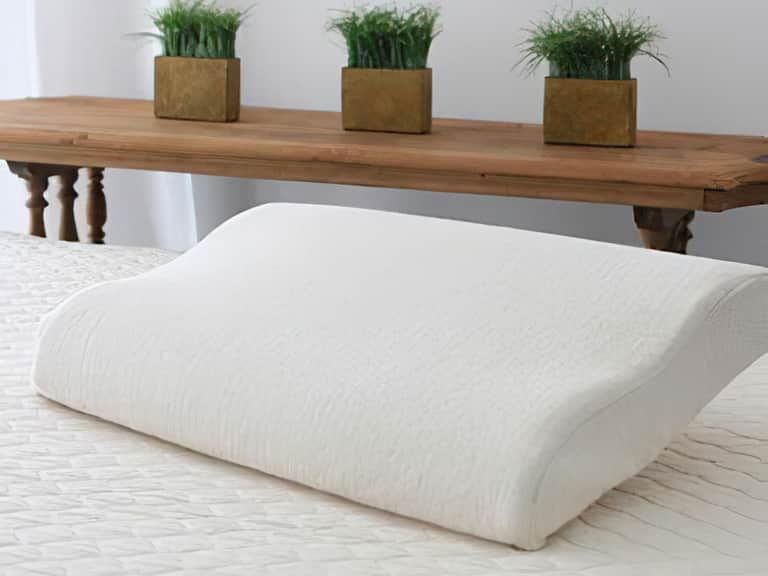
Pay attention to the neck as well as the back of the head. A pillow may feel soft at first but still leave the neck unsupported after the fill settles. If the pillow has a shape or contour, confirm that the raised area aligns comfortably with your neck in your natural sleeping position.
For stomach sleepers
Many stomach sleepers prefer a lower profile because a high pillow can rotate the head and neck more sharply. If you sleep on your stomach for part of the night, a pillow that allows fill to be removed or shifted may make it easier to find a less elevated position. Comfort varies, and no pillow can guarantee that a particular sleeping posture will prevent pain or resolve a health concern.
Adjustable fill: a useful feature, not a magic fix
Some shredded-fill pillows can be opened so the sleeper can remove or add material. This can help personalize the loft, especially if the pillow arrives fuller than expected. It also gives you a way to respond if the fill settles or your preferences change. The adjustment process may take several nights of careful testing rather than one quick change.
Before modifying a pillow, read the maker’s directions. Check whether the fill is intended to be removed, whether replacement fill is available, and how the inner and outer covers are secured. Keep removed material in a clean, sealed bag if you may want to restore the original loft. Loose fill can be messy, so make adjustments over a protected surface and avoid doing it near fans or open windows.
Change the amount gradually. If you remove too much at once, it can be difficult to judge which adjustment helped. After each change, test the pillow for several nights in your normal sleep setup. A pillow may feel unfamiliar at first, but persistent discomfort, awkward alignment, or increased symptoms are reasons to reconsider the height or seek individualized advice.
What “breathable” means in everyday use
Breathability is a useful description, but it does not mean every sleeper will stay cool. A pillow’s warmth depends on the cover, fill density, airflow through the construction, pillowcase, bedding, room climate, and the person using it. A smooth, moisture-managing fiber may feel different from a tightly woven synthetic cover, yet the fill and overall thickness still matter.
If you often wake feeling warm, consider the whole sleep setup. A lightweight, breathable pillowcase may alter the surface feel; a room that is too warm or heavy bedding can contribute to discomfort as well. Avoid assuming that a particular material will prevent night sweats or treat a medical cause of overheating. Persistent sweating or a major change in sleep comfort warrants a conversation with a qualified health professional.
It is also worth checking whether the pillow has a removable, washable cover. A cover that can be laundered may make routine care easier, while the inner fill may require more specific handling. Read the label closely: “breathable” does not mean washable, and a pillow with natural or specialty materials may need spot cleaning or other limited care.
A practical checklist before choosing
Product descriptions can be persuasive, but a few concrete questions make comparisons more useful. Before choosing an UltraTech with Tencel pillow or another Tencel blend, review these points:
- What is the exact fiber content? Identify the materials in the cover and in the fill separately.
- What provides the support? Find out whether the pillow uses shredded latex, fiber fill, foam, or another construction.
- Is the loft stated? Look for dimensions, profile details, and information about how much the pillow compresses.
- Can the fill be adjusted? If so, check how to make changes and whether replacement fill is available.
- What does the care label say? Confirm whether the cover, inner casing, and fill have different cleaning instructions.
- Are certifications clearly identified? Verify what a certification applies to—such as a fiber, a finished textile, or a manufacturing process—rather than assuming it covers every component.
- What are the trial and return terms? A pillow is a personal comfort item, so understand the policy before buying.
- Are current specifications available? Product formulas and listing details can change. Use the manufacturer’s latest information when making a decision.
These details are more useful than vague claims about “perfect” sleep or universal comfort. A pillow can be well made and still be the wrong height or feel for a particular sleeper. The goal is a suitable match, not a promise that one design works for everyone.
How to test a new pillow at home
Give a new pillow a fair, orderly trial. Start by using it with your usual mattress, pillowcase, and sleep position. Changing several parts of your bed at the same time makes it harder to tell which one affected your comfort. Notice whether your head feels level, whether the pillow retains its shape, and whether you wake with a different degree of neck or shoulder discomfort.
Keep observations simple. For a week or two, note the pillow setting, sleep position, and whether the pillow felt too high, too low, too firm, or too soft. If the pillow is adjustable, make one small change at a time and record it. This is not a diagnostic tool; it is a way to describe your comfort more clearly and avoid relying on a single night’s impression.
Check the return policy before removing tags or altering the fill. Some retailers have restrictions on opened bedding products, and adjustment may affect eligibility for return. A reasonable trial should include enough time to judge the pillow while still respecting the seller’s stated conditions.
Care and longevity: follow the construction
Pillow care depends on its materials. A washable outer cover does not necessarily mean the full pillow can go into a washing machine. Shredded latex, blended fibers, and specialty fabrics may have different cleaning needs. Follow the product label and manufacturer instructions rather than applying a general bedding rule.
Use a pillow protector if the manufacturer permits it. A protector can help limit everyday soil and make routine cleaning simpler, but a thick or tightly fitted one may change the pillow’s feel. Choose a cover that fits without compressing the pillow excessively, and wash it according to its own care label.
Air the pillow when appropriate, keep it dry, and avoid direct care methods that the maker warns against. For example, latex should generally be protected from prolonged ultraviolet exposure. If the pillow develops an unusual odor, visible damage, persistent clumping, or a change in support, consult the maker’s care guidance. Replace a pillow when it no longer provides comfortable support or cannot be kept clean according to its instructions.
A Tencel blend is one part of the sleep picture
Material labels can help narrow a search, but they do not determine sleep quality on their own. A Tencel-containing pillow may appeal to someone who likes a smooth surface and wants to compare it with conventional fiber or foam options. If it includes resilient shredded fill, its support may feel more responsive than a pillow made only with loose fiber. Those are starting points for comparison, not guarantees of a particular result.
Fit matters at least as much as the name on the label. Consider your sleep position, shoulder width, mattress feel, preferred firmness, and whether you want to adjust the fill. Then check the current specifications, care instructions, and return terms. If a product’s description does not clearly identify what “UltraTech with Tencel” contains, ask for clarification instead of inferring details from the name.
Finally, pillows are comfort products, not medical treatment. Neck pain, numbness, breathing difficulty, or persistent sleep disruption may have causes that bedding cannot address. Seek medical guidance when symptoms are ongoing, worsening, or concerning. A thoughtful pillow choice can support a comfortable routine, but it cannot diagnose or treat a health condition.